

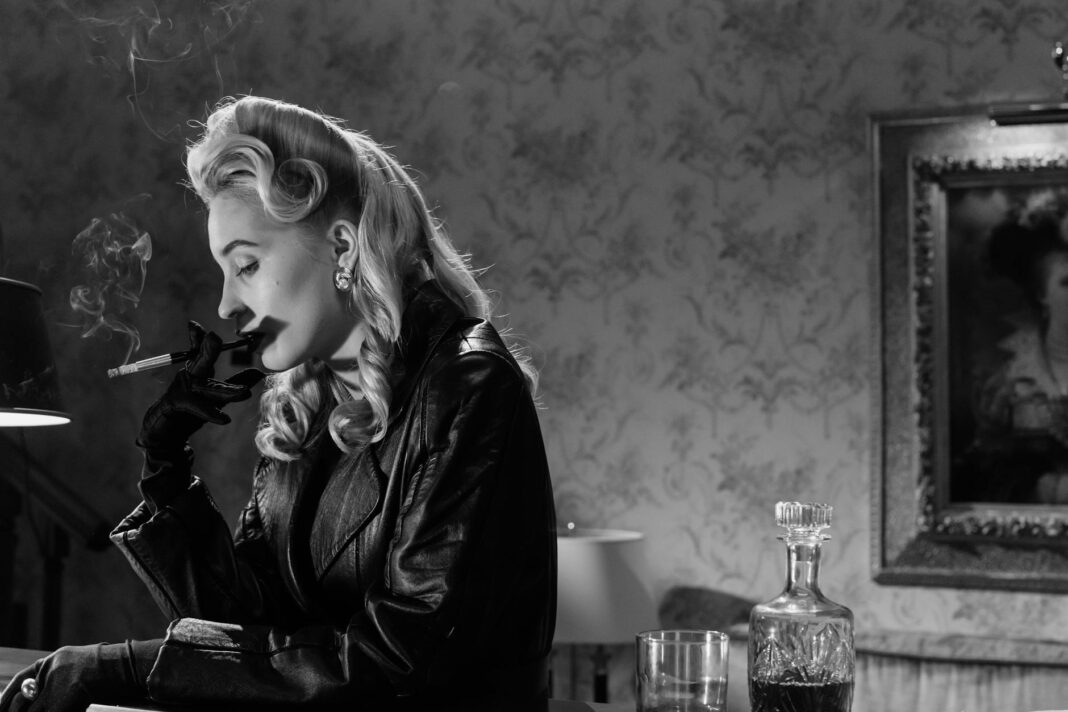
The Celebrity Cameo Nobody Saw Coming
In the glitzy world of Hollywood, celebrity cameos are as common as red carpets and paparazzi flashes. A quick, recognizable face can inject instant star power into a film, offer a humorous nod to pop culture, or even serve as a subtle wink to the audience. We’ve grown accustomed to seeing Dwayne “The Rock” Johnson pop up in a funny scene, or a legendary musician make a fleeting appearance in a music biopic. But every now and then, a cameo arrives that’s so unexpected, so perfectly placed, and so delightfully surprising that it becomes the stuff of cinematic legend. It’s the cameo that makes you lean forward, double-take, and perhaps even utter a disbelieving, “Wait, was that really them?”
This isn’t about the planned, advertised guest spot. This is about the moment a recognisable star, plucked from their usual domain, materializes in a context so far removed from their public persona that it feels like a delightful glitch in the matrix. It’s the unexpected immersion, the jarring yet brilliant integration, that elevates a cameo from a simple guest appearance to a truly memorable cinematic event.
What Makes a Cameo Truly Unexpected?
Several factors contribute to the sheer shock and delight of a truly unexpected celebrity cameo:
1. Disparate Genres and Personas
The most potent examples often involve a celebrity appearing in a genre or project that couldn’t be further from their typical work. Imagine a hardened action star in a whimsical children’s animation, or a serious dramatic actor in a slapstick comedy. The incongruity itself is inherently funny and surprising.
- Example: The sheer absurdity of, say, Liam Neeson, known for his stoic and often violent characters, suddenly appearing as a singing, dancing, talking tree in a quirky indie dramedy. The audience’s pre-conceived notions are immediately challenged, creating a moment of delightful cognitive dissonance.
2. Unannounced and Unadvertised Appearances
When a cameo is kept a closely guarded secret, its impact is magnified. Without prior knowledge or marketing buzz, the audience is caught completely off guard. This allows the surprise to land with full force, unburdened by expectation.
- Example: No trailers hint at it, no interviews mention it. The star simply appears, and the audience collectively gasps or chuckles in recognition. This is the gold standard of unexpected cameos.
3. Subtle Integration, Not a Spotlight
The best unexpected cameos don’t demand the spotlight. They are seamlessly woven into the fabric of the scene, often playing a character with minimal dialogue or screen time. The surprise comes from recognizing the familiar face in an unfamiliar role, rather than a grand, star-powered entrance.
- Example: A character might be ordering coffee, and the barista, who just happens to be a world-renowned pop singer, silently hands them their order. The focus remains on the main characters, but the brief, almost mundane appearance of the star creates a powerful ripple of surprise.
4. Playing Against Type
When a celebrity takes on a role that is the polar opposite of their established image, it can be incredibly effective. A notoriously private actor playing a boisterous character, or a seemingly meek individual revealing a hidden, formidable side.
- Example: A beloved, gentle comedian suddenly appearing as a terrifying antagonist, not even cracking a smile. The visual and performative contrast is what makes it so jarring and memorable.
5. A Nod to the Past or a Meta-Commentary
Sometimes, an unexpected cameo serves as a clever reference to the actor’s own filmography or to the broader landscape of cinema. These cameos often elicit a knowing smile and a deeper appreciation for the filmmakers’ ingenuity.
- Example: A director known for their signature style making a brief appearance as a film buff in a movie that lovingly parodies their genre. It’s a wink from the creator to the audience.
Case Study: The Cameo That Redefined “Unexpected”
While countless cameos have dotted the cinematic landscape, one particular appearance stands out for its sheer audacity, its perfect timing, and the overwhelming wave of disbelief and delight it generated. This was the cameo that transcended the usual guest spot and became a cultural talking point, a testament to genius casting and masterful secrecy.
Let’s delve into the specifics of Harrison Ford in Blade Runner 2049.
The Setup: A Legacy Reawakened
Blade Runner 2049 was, in itself, a monumental undertaking. Decades after Ridley Scott’s original neo-noir masterpiece, Denis Villeneuve was tasked with continuing the story of Rick Deckard, the enigmatic Blade Runner. The original film, despite its initial mixed reception, had cultivated a massive cult following, and the question of Ford’s return – and how it would be handled – was a colossal piece of pre-release speculation.
The film meticulously built its world and introduced new characters, hinting at the fugitive status and potential fate of Deckard. Trailers and promotional materials were deliberately vague about his actual screen time and role, fueling anticipation without giving anything away. They acknowledged his presence, but the nature of his appearance remained a mystery.
The Arrival: A Haunting Reunion
The film masterfully builds towards the eventual meeting between K, the new Blade Runner played by Ryan Gosling, and his predecessor, Rick Deckard. The journey to find Deckard is fraught with peril and mystery, and the audience, along with K, is driven by the need for answers.
When K finally locates Deckard, he’s no longer the sharp, world-weary detective audiences remembered. He’s an older man, living in a desolate, seemingly abandoned environment. The initial reveal isn’t a triumphant return, but a quiet, almost mournful reintroduction. Ford, looking weathered and changed, embodies a man who has been in hiding for a long, long time.
Why it Was So Unexpected
- The Decades of Silence: Blade Runner (1982) left Deckard’s fate ambiguous. Was he a replicant? Did he escape with Rachael? The lack of concrete answers for over thirty years made any return feel monumental.
- The Nature of the Sequel: Blade Runner 2049 was a sequel to a film that was both a critical darling and a box office disappointment in its time. The fact that it was even being made was surprising, let alone the return of its original male lead, who had since achieved massive global superstardom in entirely different franchises (like Indiana Jones and Star Wars).
- Ford’s Own Evolution: Harrison Ford had moved on to become an undisputed action icon. His presence in Blade Runner 2049 wasn’t just a cameo; it was the return of a legendary character by a legendary actor, but in a film that was tonally vastly different from his blockbuster adventures.
- The Masterful Secrecy: Despite the widespread anticipation of Ford’s involvement, the way it was handled was a masterclass in narrative payoff. The trailers and marketing didn’t tease specific scenes or dialogues. They alluded to his characters existence and his importance, but the actual encounter was a surprise.
- The Performance Itself: Ford didn’t play a deified version of Deckard. He played a broken, isolated man, haunted by his past. It was a subdued, powerful performance that respected the character’s journey and the film’s bleak tone, rather than leveraging Ford’s star power for a cheap thrill. He wasn’t Ford playing Deckard; he was Deckard, brought to life by Ford.
The scene where K finally reaches Deckard, and the wary, almost hostile exchange that follows, is a quiet storm of cinematic tension. The audience isn’t just seeing Rick Deckard again; they’re seeing the weight of 35 years of story distilled into a single, poignant encounter.
Other Memorable Unexpected Cameos
While Ford’s return in Blade Runner 2049 might be a high-water mark, Hollywood has a rich history of surprising and delightful cameos. Let’s look at a few other instances that caught audiences off guard:
1. Stan Lee in Captain America: Civil War (and virtually every MCU film)
Okay, so Stan Lee’s cameos were expected in the Marvel Cinematic Universe, but the context and the specific gags were often the surprises. In Civil War, he appears as a FedEx driver, delivering a package for Thor, and is addressed as “Larry.” The deadpan delivery and the subtle meta-joke of him being a random delivery guy in a world of superheroes made it a classic.
- Why it worked: It was a brief, funny moment that felt organic to the scene, a reward for paying attention, and a loving tribute to the architect of the Marvel universe.
2. Bill Murray in Zombieland
In Zombieland, Bill Murray plays himself, a zombie, living in his famously opulent mansion. He’s dying from a zombie bite and is surprisingly nonchalant about it. His interactions with Woody Harrelson’s character are hilariously understated.
- Why it worked: The sheer absurdity of seeing Bill Murray, a man known for his dry wit and often detached persona, playing a dying zombie version of himself in a horror-comedy, was brilliant. It perfectly encapsulated the film’s witty, self-aware tone. His death scene, with his final words to Woody, was both funny and surprisingly poignant.
3. Mark Hamill in The Force Awakens
Similar to Ford’s later cameo, Luke Skywalker’s appearance at the very end of The Force Awakens was kept under wraps. After two hours of building a new Star Wars saga, the sight of Hamill as a grizzled, world-weary Luke Skywalker on Ahch-To was a powerful and emotional moment.
- Why it worked: It was a long-awaited payoff that connected the new trilogy to its legacy in a profound way. The silent, stoic delivery from Hamill, staring out at the ocean, promised epic storytelling to come.
4. Prince in Madeline
This one is truly out of left field. The supremely talented musician, Prince, makes a brief, uncredited appearance as a street musician in the live-action 1998 film Madeline. He’s seen playing guitar on a street corner in Paris.
- Why it worked: The sheer incongruity of it! Prince was a global icon renowned for his music, his visual style, and his larger-than-life persona. Seeing him so casually integrated into a children’s film about a French orphan girl was a surreal and delightful surprise. It’s the kind of cameo you’d likely miss on a first watch and then discover with disbelief later.
5. Jon Hamm in Bridesmaids
Hamm plays Ted, Annie’s (Kristen Wiig) terrible, emotionally unavailable boyfriend. He’s sleazy, rude, and utterly lacking in charm – a stark contrast to the suave, charismatic characters Hamm often portrays.
- Why it worked: Hamm is known for his leading-man roles, particularly the sophisticated Don Draper. Seeing him completely embrace this unlikable, almost pathetic character, was hilarious and showed a brilliant willingness to play against type and serve the comedy. The scene where Annie is hiding from her family in his truck is a masterclass in awkward, uncomfortable comedy.
6. Peter Jackson in The Lord of the Rings trilogy
The director famously cameoed as a Rohan soldier in The Return of the King, specifically the one who gets his throat slit by an Orc. While not a traditional celebrity cameo in the vein of an actor, the director popping up as a victim in his own epic fantasy world was a fun, blink-and-you’ll-miss-it moment chosen by Jackson himself.
- Why it worked: It was a cheeky, meta gesture from the filmmaker, a little Easter egg for dedicated fans. The surprising violence of his character’s demise added a dark humor to the otherwise grand battles.
The Art of the Surprise: Balancing Expectation and Revelation
Creating a truly unexpected cameo isn’t easy. It requires a delicate balance between acknowledging the star’s presence and ensuring their appearance serves the story without derailing it.
- Casting Against Type: As seen with Jon Hamm in Bridesmaids, casting a star in a role that goes against their public image can be incredibly effective for comedic or dramatic impact. The audience’s expectations are immediately subverted.
- Strategic Placement: The best cameos feel like they belong. They are not shoehorned in for a cheap laugh or a star turn. They fit the scene, the tone, and the narrative.
- Secrecy is Key: The less the audience knows beforehand, the greater the surprise. This often means foregoing significant marketing focus on the cameo, allowing it to land organically within the film.
- Serving the Narrative: A cameo should enhance the film, not distract from it. Whether it’s for humor, plot development, or thematic resonance, the appearance must have a purpose.
- The “Meta” Cameo: Sometimes, a celebrity appearing as themselves, or referencing their own work, can be incredibly effective, as seen with Bill Murray in Zombieland. This requires a strong understanding of the actor’s persona and a clever script.
The “celebrity cameo nobody saw coming” is ultimately a testament to the magic of cinema: the ability to surprise, delight, and connect us through shared moments of recognition and disbelief. It’s a reminder that even in a world saturated with information and endless previews, there’s still room for genuine, thrilling astonishment.
Conclusion
The allure of the unexpected celebrity cameo lies in its ability to momentarily pull us out of the narrative and into a delightful meta-awareness. It’s the brief flicker of recognition, the whispered “Is that who I think it is?”, that elevates a scene. From Harrison Ford’s poignant return as Deckard to Bill Murray’s darkly comedic zombie self, these moments are carefully crafted to surprise and enchant. They require masterful secrecy, intelligent casting, and a deep understanding of how to serve the story. When executed perfectly, an unexpected cameo isn’t just a guest appearance; it’s a cinematic lightning strike, a moment that lingers long after the credits roll, solidifying its place in the annals of memorable movie magic.