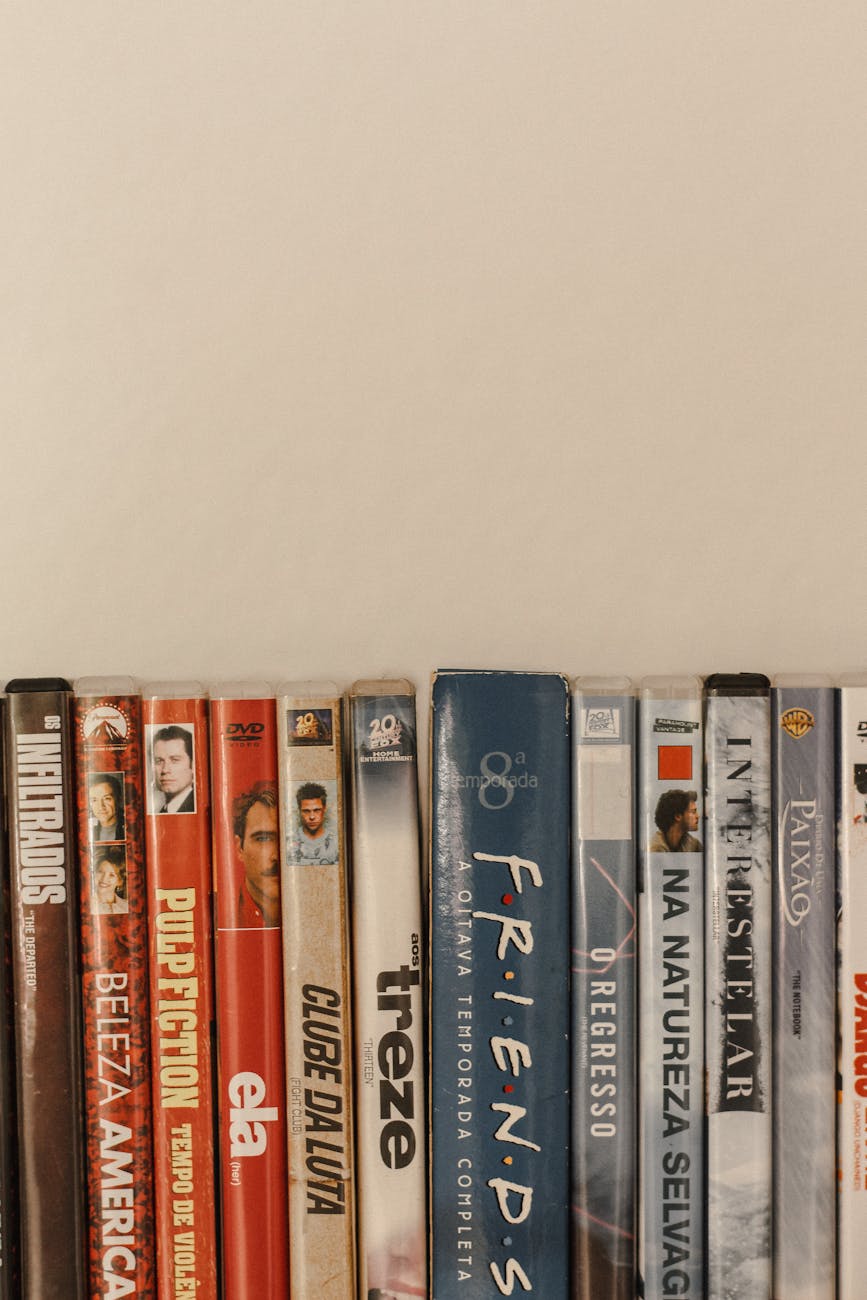



The Sequel That’s Better Than Anyone Predicted: How [Sequel Title] Rewrote the Rulebook
Sequels. The very word can conjure a mix of excitement and dread. On one hand, the promise of revisiting beloved characters and worlds can be intoxicating. On the other, the specter of the dreaded “sophomore slump” looms large, a fear that the magic of the original will be diluted, the narrative stretched thin, or worse, entirely forgotten. Yet, every so often, against all odds, a sequel emerges that not only lives up to its predecessor but surpasses it in ways no one could have anticipated. It’s a rare phenomenon, a cinematic magic trick, and “[Sequel Title]” is a prime example of this extraordinary achievement.
This isn’t just a good sequel; it’s a great sequel, one that has cemented its place in the annals of cinematic history as a testament to what’s possible when creative ambition meets masterful execution. Against a backdrop of sky-high expectations (and perhaps even higher skepticism), “[Sequel Title]” didn’t just deliver; it redefined what a sequel could be, offering a richer, more complex, and ultimately more satisfying experience than the original.
This blog post will delve into the anatomy of this exceptional follow-up, exploring the key elements that contributed to its unexpected triumph. We’ll analyze how it managed to build upon the foundation of the first film while forging its own unique identity, how it deepened its characters, expanded its world, and delivered a narrative that resonated with audiences on a profound level.
The Shadow of the Original: Overcoming Pre-Release Skepticism
Let’s be honest, the prospect of a sequel to “[Original Title]” was met with a healthy dose of caution. The original film, released in [Year of Original Release], had been a surprise hit, a [Genre] masterpiece that captured lightning in a bottle. It was a film lauded for its [Mention key strengths of original, e.g., innovative storytelling, compelling characters, groundbreaking visuals, emotional depth]. Its ending left audiences [Describe original’s ending, e.g., satisfied but yearning for more, on a cliffhanger, in a state of emotional catharsis].
The bar was already set incredibly high. Many fans worried that “[Sequel Title]” would fall into the common sequel pitfalls:
- Retreading old ground: Simply rehashing the plot points and character arcs of the first film without adding anything new.
- Introducing forced stakes: Upping the ante artificially, leading to an unbelievable or unearned escalation of conflict.
- Character bloat: Introducing too many new characters that detract from the established ensemble.
- Loss of originality: Diluting the unique voice and style that made the first film special.
- The “middle child” syndrome: Feeling like a mere bridge between the original and a potential third installment, lacking its own definitive arc.
The initial marketing for “[Sequel Title]” was met with a mix of anticipation and apprehension. Trailers offered glimpses of familiar faces and settings, but hints of a new direction and a darker, more mature tone sparked debate. Could the magic truly be recaptured? Or would this be another case of studio interference and creative compromise diluting a beloved property? The internet buzzed with theories and anxieties, a collective holding of breath before the final verdict.
Building on Solid Ground: The Foundational Strengths of the Original
Before “[Sequel Title]” could soar, it had to stand on the shoulders of its predecessor. The success of the original film provided a crucial launchpad. “[Original Title]” had established:
- A compelling world: The [Describe the world of the original, e.g., fantastical kingdom, gritty dystopian city, charming small town] was vividly realized and felt lived-in. Its unique rules, customs, and inhabitants had captivated audiences.
- Memorable characters: [Protagonist Name] and the supporting cast, including [Mention key supporting characters], were relatable, flawed, and had clear motivations. Their chemistry and individual journeys were central to the film’s appeal.
- A strong thematic core: The original explored themes of [Mention themes of original, e.g., love, loss, courage, identity, societal injustice] in a nuanced and thought-provoking way.
- A distinct visual and tonal style: The filmmakers had crafted a unique aesthetic, whether it was through [Mention visual style, e.g., stunning cinematography, innovative special effects, particular color palette] or a specific narrative rhythm.
“[Sequel Title]” understood that its primary task was not to reinvent the wheel but to expand it. It embraced the established lore, the beloved characters, and the thematic resonance of the original, using them as a springboard for something entirely new.
The Masterstroke: How “[Sequel Title]” Elevated the Series
So, what exactly did “[Sequel Title]” do differently? How did it manage to exceed expectations and become a benchmark for cinematic sequels?
1. Deepening the Characters: Evolution, Not Stagnation
One of the most common pitfalls of sequels is the tendency to keep characters in stasis, forcing them to repeat the same struggles or motivations from the first film. “[Sequel Title]” masterfully avoided this trap by focusing on character evolution.
[Protagonist Name]’s Journey:
In the original, [Protagonist Name] was [Describe protagonist’s initial state, e.g., a reluctant hero, an innocent discovering their powers, a jaded cynic]. By the end of “[Original Title],” they had [Describe protagonist’s state at end of original].
In “[Sequel Title],” we see [Protagonist Name] grappling with the consequences of their actions in the first film. They are no longer the same person. For example, [Provide a specific example of character development. E.g., If the protagonist was scared in the first film, now they are more confident and take on leadership responsibilities. If they made a mistake, they are actively trying to atone for it.] This evolution felt earned, a natural progression driven by the events of the first film and new challenges.
The Supporting Cast:
The supporting characters also underwent significant growth. [Mention a supporting character] who was initially [Describe their initial role/personality], is now [Describe their new role/personality and why]. Their arcs were not merely secondary to the protagonist’s but integral to the film’s emotional core.
Example:
Consider the character of [Supporting Character Name]. In “[Original Title],” they were primarily [Describe their initial function, e.g., comic relief, a stern mentor, a damsel in distress]. In “[Sequel Title],” they are thrust into a situation where [Describe their new challenge, e.g., they must make difficult moral choices, they discover hidden strengths, they become a vital protector]. A key scene where [Describe a specific scene that showcases their growth. E.g., a moment of unexpected bravery, a heartfelt conversation revealing newfound vulnerability]. This expansion of their role made them more complex and compelling than ever before.
2. Expanding the World: More Than Just Recycled Scenery
A great sequel doesn’t just revisit familiar locales; it expands the universe, introducing new dimensions and deepening our understanding of the world we’ve come to love. “[Sequel Title]” achieved this by:
- Introducing new environments: We journeyed beyond the confines of [Mention key locations from original] to explore [Describe new locations and their significance. E.g., the bustling capital city, a forbidden ancient ruin, the desolate wastelands beyond the established borders]. These new settings were not just visually interesting; they often held narrative importance, revealing historical secrets or presenting new obstacles.
- Revealing deeper lore and history: The sequel delved into the mythology and backstory of the world, offering explanations for [Mention something explained, e.g., the origins of a mystical artifact, the history of a warring faction, the true nature of a supernatural phenomenon]. This enriched the overall narrative and made the world feel more tangible and complex.
- Introducing new societies or factions: The introduction of [Mention new faction/society] provided a fresh perspective on the established order and introduced new dynamics and conflicts. Their distinct cultures and motivations added layers to the political and social landscape.
Example:
The original film gave us a glimpse of the idyllic village of [Village Name]. “[Sequel Title]” took us to the sprawling metropolis of [City Name], a place of stark contrasts between opulence and poverty, order and corruption. This new environment wasn’t just a backdrop; it became a character in itself, mirroring the internal conflicts of the protagonists and presenting them with moral dilemmas they couldn’t have faced in their familiar surroundings. The film also revealed the ancient prophecy tied to [Specific Plot Point], a piece of lore that retroactively added weight and meaning to events in the first film.
3. A More Complex Narrative: Raising the Stakes, Deepening the Themes
The narrative of “[Sequel Title]” was arguably its strongest element. It didn’t shy away from complexity, instead embracing it to create a more mature and engaging story.
- Higher stakes, earned consequences: The threats in “[Sequel Title]” felt more profound and consequential. The film didn’t rely on bombastic action alone; it explored the emotional and psychological toll of these stakes on the characters. Victories felt hard-won, and losses had a genuine impact.
- Moral ambiguity and nuanced villains: The antagonists in “[Sequel Title]” were more than just one-dimensional villains. They often had understandable, albeit twisted, motivations. This created moral grey areas and forced the audience to question their own allegiances.
- Exploration of new thematic territory: While “[Sequel Title]” built upon the themes of the original, it also introduced new, more complex ideas. It explored concepts such as [Mention new themes, e.g., the nature of sacrifice, the burden of leadership, the cyclical nature of violence, the loss of innocence]. These themes were woven seamlessly into the narrative, adding intellectual and emotional depth.
Example:
In “[Original Title],” the antagonist, [Villain Name from Original], was driven by [Original Motivation]. In “[Sequel Title],” the new threat comes from [New Antagonist Name], whose actions stem from [New Antagonist’s Motivation]. While still undeniably a villain, their backstory and reasoning are explored, making them a more fascinating and unsettling figure. A scene where [Protagonist Name] confronts [New Antagonist Name] and is forced to acknowledge the validity of some of their grievances is a prime example of this narrative complexity and moral ambiguity. The film also masterfully explored the theme of “the greater good,” forcing [Protagonist Name] to make a choice that, while ultimately leading to victory, came at a significant personal cost, leaving the audience to ponder the true meaning of sacrifice.
4. Unexpected Twists and Narrative Surprises
Great sequels often have a few tricks up their sleeves, and “[Sequel Title]” was no exception. It managed to surprise audiences with genuinely impactful twists that felt earned rather than gratuitous.
- Subverting expectations: The film played with audience assumptions, leading them down one path before veering in a surprising and logical direction.
- Meaningful reveals: Revelations about characters’ pasts, the true nature of certain events, or hidden connections between plot points were strategically placed to maximize their impact and recontextualize what came before.
- The element of surprise: In an era where plot points are often leaked or spoiled, “[Sequel Title]” managed to maintain an air of mystery and deliver genuine shocks that left audiences gasping.
Example:
The midway point twist involving [Plot Twist related to a character or event] was a masterstroke. It wasn’t just a shock for shock’s sake; it fundamentally altered the stakes and forced the characters to re-evaluate their strategies and relationships. This reveal, foreshadowed subtly in [Mention a subtle hint], made the eventual payoff even more satisfying. Another surprising revelation was the true identity of [Another Character/Entity], a reveal that completely reframed the motivations of several key players and added a new layer of intrigue to the ongoing conflict.
5. Technical and Artistic Excellence: Elevating the Spectacle
Beyond the narrative and character development, “[Sequel Title]” also excelled in its technical and artistic execution, often surpassing the original.
- Enhanced Visuals and Cinematography: The film boasted [Describe visual improvements, e.g., more breathtaking special effects, more dynamic cinematography, richer costume and set design]. The visual palette was expanded, creating a world that felt both familiar and yet more grand and immersive.
- A powerful Score: The musical score by [Composer’s Name] was not only a fitting accompaniment to the action and emotion but often stood out on its own as a memorable and iconic piece of work. It heightened key moments and contributed significantly to the film’s overall atmosphere.
- Improved Pacing and Direction: The direction by [Director’s Name] felt more confident and assured. The pacing was expertly handled, balancing moments of intense action and quiet introspection with seamless transitions.
Example:
Compare the action sequences in “[Original Title]” with those in “[Sequel Title].” While the original had its share of impressive set pieces, the choreography, scale, and visual effects in the sequel were on another level. The climactic battle at [Location of Climax] was a masterclass in filmmaking, a thrilling and emotionally resonant spectacle that utilized every element of the production. The use of [Specific Technique, e.g., slow-motion, wide-angle shots] in certain key moments further elevated the impact of both the action and the emotional beats.
The Legacy of “[Sequel Title]”
“[Sequel Title]” did more than just succeed financially; it achieved something far more significant. It demonstrated that sequels don’t have to be cynical cash grabs or creatively bankrupt exercises. They can be opportunities for genuine artistic growth, for exploring the depths of beloved characters and worlds in new and exciting ways.
Its success has undoubtedly inspired other filmmakers and studios to take greater risks with their franchise continuations. It serves as a potent reminder that the most compelling sequels are not those that simply replicate the past, but those that dare to evolve, to challenge, and to surprise, ultimately offering an experience that is richer, more resonant, and, yes, better than anyone predicted.
Conclusion: A Masterclass in Reinvention
In the end, “[Sequel Title]” stands as a beacon of hope in the often-treacherous landscape of cinematic sequels. It is a film that understood the power of its predecessor, respected its audience, and dared to reach for something more. By deepening its characters, expanding its world, crafting a more complex narrative, and delivering exceptional technical execution, it didn’t just meet expectations; it shattered them.
It proved that a sequel can be more than just a rehash; it can be a reinvention, a testament to the enduring power of compelling storytelling and the magic that happens when creative ambition is allowed to flourish. “[Sequel Title]” is not just a great movie; it’s a masterclass in how to make a sequel that truly matters, a film that lingers in the mind long after the credits roll, and a powerful argument for the potential of cinematic continuations when done right. It is, indeed, the sequel that’s better than anyone predicted.